Take time for work, sleep, appointments or personal needs while a trusted caregiver supports your loved one at home. Our non-medical respite care follows the client’s routine and gives family caregivers a planned break.
Respite care provides temporary, non-medical support while a family caregiver takes a planned break. A respite caregiver may help with companionship, meals, personal care, movement and familiar routines listed in the service plan. Support may be arranged once or regularly, depending on the client’s needs and caregiver availability.
We learn which tasks the family caregiver normally completes and what approved help should continue during the visit.
Caregivers may help with bathing, dressing, grooming, toileting and approved movement. This can include walking or moving between a bed and chair. Every task must match the caregiver’s training and care plan.
The caregiver can offer conversation and take part in familiar activities. This may include reading, music, cards, puzzles or a walk. The client can also have quiet time. The visit should follow the person’s interests, comfort and energy.
Help may include simple meals, dishes, bed linens, personal laundry and light tidying. Approved medication reminders may also be included. Medication setup, injections and medical treatment are not part of this service.
Respite caregivers follow the agreed routine for meals, rest, personal care and activities. They can record completed tasks and share approved updates with the family. Clear notes help the regular caregiver understand how the visit went.
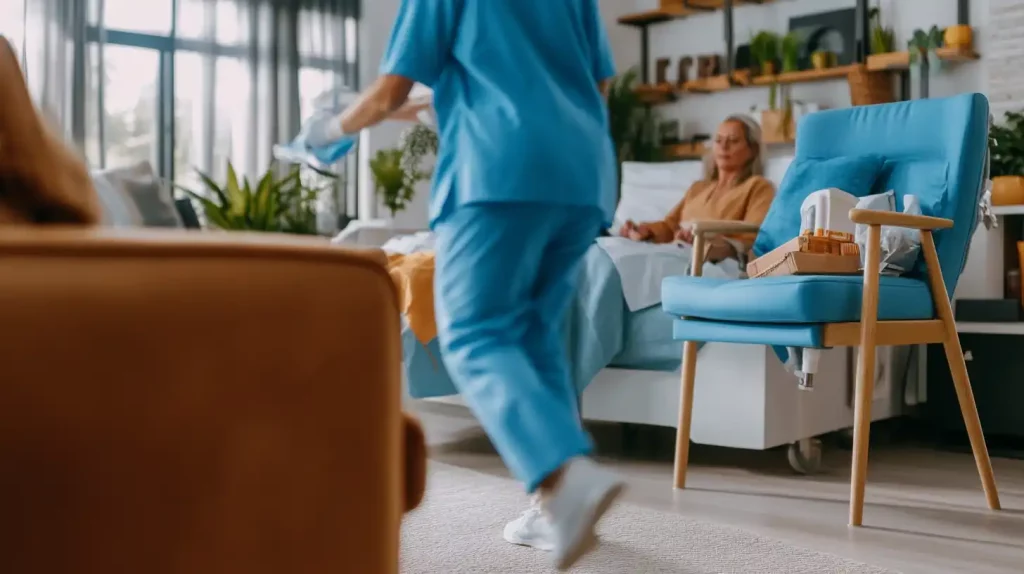
A new caregiver can feel unfamiliar. We take time to learn how the family normally provides care.
The plan may include preferred foods, daily habits, communication needs and favorite activities. It can also explain what may cause worry and what helps the client feel calm.
The caregiver provides the agreed help while respecting the client’s privacy, choices and usual way of doing things.
Respite care for caregivers provides relief for a limited time. It can be used once, from time to time or on a regular schedule.
Ongoing home care is different. It follows a continuing schedule and supports the client’s daily needs over a longer period. Companion Care mainly focuses on company and shared activities. Personal Care includes approved hands-on help with bathing, dressing, toileting and other daily needs.
Some visits include companionship and personal care. We choose the care team member based on the approved tasks. If continuing help is needed, we can discuss another service.
Tell us when help is needed and whether this is a one-time visit or part of a regular plan.
We ask about the client’s routine, movement, meals, personal care and communication. We also discuss memory changes, safety concerns, pets and the home.
The service plan lists approved tasks, visit times, important routines, family contacts and steps to follow if a concern comes up.
We consider skills, personality, schedule and the client’s comfort. The match may be a caregiver or Certified Nursing Assistant, depending on the approved tasks.
After the visit, tell us what worked well and what should change. We can then discuss future visits or another home-care option.
Families do not have to wait until caregiving feels unmanageable. A planned break provides time to rest, keep an appointment or see other people. Senior respite care can start with a short visit that helps the client become comfortable with another caregiver. This can make future support feel more familiar if the family caregiver becomes sick, needs to travel or cannot provide every part of the routine.
Planning early provides time to explain the client’s needs, ask questions and confirm the caregiver schedule.
We build the plan around the reason for the break, the client’s routine and approved tasks. Every family can have a different schedule.
We select a caregiver or Certified Nursing Assistant based on the help needed. Our Certified Dementia Practitioner leaders understand the value of patience, familiar routines and clear communication.
Our Illinois and California operations provide licensed, non-medical home care. Respite care does not include skilled nursing treatment. Ask the local office for current license and service details.
Families have direct access to Ease in the Home owners. Local care leaders are available to answer questions, discuss changes and help plan future visits.
A useful break looks different for every caregiver. One person may need a few hours. Another may need a full day, evening or longer period. Visit lengths depend on the care plan and local staffing. Some clients need time to meet a new caregiver before a longer visit. Others prefer a family member to explain the routine at the start.
The plan should support both people: the client receiving care and the family member taking a break. Clear expectations help everyone feel more prepared.
Respite care is temporary support for a person who normally depends on a family caregiver. It allows the regular caregiver to rest, work, attend appointments or take care of other needs.
A caregiver comes to the client’s home for the agreed schedule. The caregiver follows a plan covering approved tasks, routines, family contacts and updates. The local team confirms the caregiver and visit time.
A visit may last several hours or follow a longer schedule. The right length depends on the client’s needs, the family’s plans and caregiver availability. Ask the local office about minimum visits and longer-care options.
Yes, when approved personal care tasks appear in the service plan. Help may include bathing, dressing, grooming, toileting and movement. The assigned team member must have the right training for each task.
No. Our respite care services provide non-medical help at home. They do not include injections, wound care, medication administration or other skilled nursing treatment. A healthcare provider should handle medical needs.
Cost depends on the schedule, approved tasks and type of caregiver needed. We review the client’s needs before giving a quote. Coverage varies, so families should check with their insurance plan or public program.
You do not have to stop being a caring family member to ask for help. Respite care can give you time to rest and manage other parts of life while your loved one receives respectful support at home.
Tell us about the client’s routine and when you need a break. We will explain the available respite care options, answer your questions and create a clear plan for the visit.
Ease in the Home provides compassionate, personalized in-home care to help seniors and adults live safely, comfortably, and independently.
Barrington, IL: Chris Breneman / 773.551.7164
San Diego, CA: Brad Grubaugh / 760.470.8200
This website and its content are copyright of Ease In The Home. Copyright © 2026. Ease In The Home. All rights reserved.