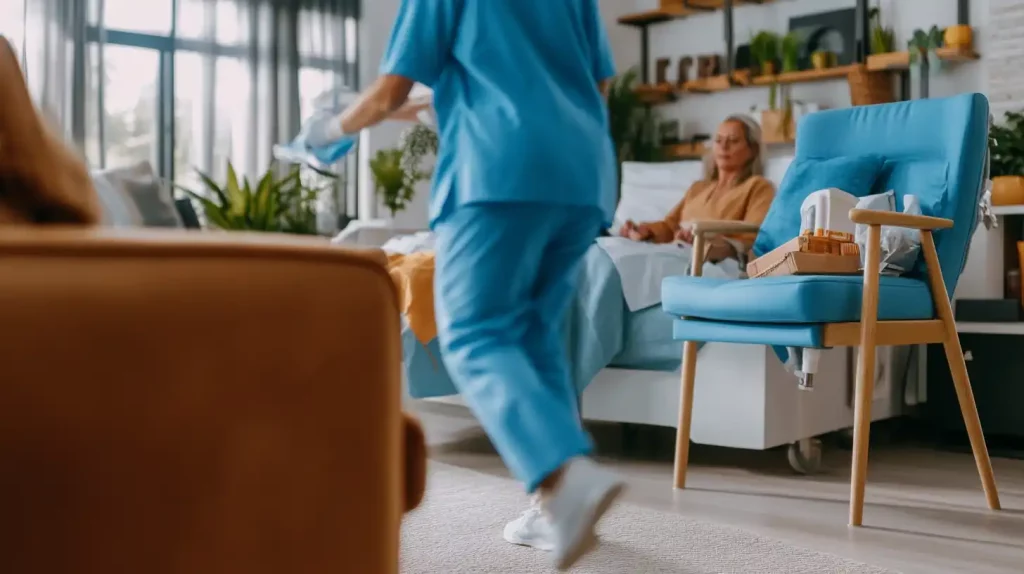
In-Home Personal Care Services That Protect Dignity and Independence
Receive respectful, non-medical help with bathing, dressing, grooming, toileting, movement and meals. Our personal care supports safer daily routines while keeping the client involved in every choice.
Illinois Licensed • #3001621
Caregivers & Certified Nursing Assistants
Chris Breneman, CDP #252621
Diane Robertson, CDP
Direct Access to Local Owners
Quick Answer: What Are Activities of Daily Living?
Personal care helps seniors and adults with activities of daily living, often called ADLs. These are basic personal tasks such as bathing, dressing, grooming, toileting, eating and approved movement. The caregiver provides only the amount of hands-on help needed while respecting the client’s privacy, choices, comfort and independence.
What Personal Care Assistance Can Include
Personal care assistance can cover one task or several routines. The plan explains what help is approved and how it should be provided.
Personal care should not take over tasks a client can complete. We learn what the person wants to manage and where an extra hand would help.
The caregiver may offer a reminder, prepare items or provide direct support. For example, a client may wash independently but need help entering and leaving the shower.
Working this way supports confidence and familiar skills. It also helps the care plan reflect the client’s real abilities instead of focusing only on limitations.
Who May Benefit From Personal Care?
Has difficulty bathing, dressing, grooming or using the bathroom
Feels unsteady while walking, standing or moving between surfaces
Misses meals because preparing food or eating has become difficult
Has a family caregiver who needs help with private or physical routines
Personal Care and Household Help Are Different
Personal care focuses on private, hands-on Activities of Daily Living. These tasks may include bathing, dressing, grooming, toileting, eating and approved help with movement.
Personal Assistant Services focus more on errands, household jobs, planning and technology. Companion Care mainly provides conversation, shared activities and social connection.
A client may need more than one kind of support. We review the full routine and explain which service or care team member fits each task. All help must appear in the care plan and remain within the worker’s role.
Small Choices Can Make Personal Care Feel More Comfortable
The time, room temperature, clothing choices and order of tasks can affect personal care. Familiar habits may help a routine go more smoothly. The client may prefer a shower before breakfast, certain grooming products or extra time to complete part of the routine. These choices matter at home.
A clear routine can reduce stress and help trust grow. It also allows the caregiver to provide assistance without rushing or treating every visit exactly the same.
Private daily tasks can become a source of worry for the client and family. At-home personal care can provide steady support while protecting comfort, privacy and control. Help may begin with one routine, such as bathing or getting dressed. The plan can expand or change when the client’s abilities change. We explain what is available and set clear expectations before support begins.
The client stays involved in each choice. Family members also have a local team to contact when questions or concerns arise.
Activities of Daily Living, often called ADLs, are basic self-care routines. They commonly include bathing, dressing, grooming, toileting, eating and moving from one place or position to another.
They may include help with bathing, dressing, grooming, toileting, meals, walking, transfers and positioning. Exact personal care services depend on the client’s abilities, plan and local rules.
No. This page describes non-medical personal care for seniors and adults at home. It does not include diagnosis, therapy, injections, wound care, medication administration or other skilled nursing treatment.
An approved caregiver or Certified Nursing Assistant may provide support. We select the care team member according to the tasks, training needs and service plan.
Yes. The goal is to provide the amount of help that is needed. The client may complete one part independently, receive a reminder for another and accept direct assistance where a task has become difficult.
Ease in the Home provides licensed, non-medical care through its Illinois and California operations. Contact the team responsible for the care address to ask which personal care services and schedules may be available locally.
You may know that a loved one needs assistance with personal care but feel unsure how much help is right. Tell us what is becoming difficult and which routines the client wants to keep doing.
We will listen, explain the available choices and create a clear plan. Support will be built around the client’s abilities, privacy and preferred way of completing each day.