Companion Care for Seniors and Adults at Home

Enjoy friendly company and steady, non-medical support at home. Our senior companion care services help adults stay connected, follow familiar routines and enjoy more meaningful days.

Quick Answer: What Does Companion Care Include?

Companion care provides friendly, non-medical support for seniors and adults who may feel lonely or need someone nearby. A companion caregiver may talk, share activities, take walks, prepare simple meals and support approved outings. Each visit follows the client’s interests, routine, comfort and preferred level of conversation.

What Companion Care Services Can Include

Companion care services include social and routine support. Every visit follows an approved plan based on the client’s interests and needs.

Healthcare professional assisting an elderly patient in a modern care room with comfortable seating

Conversation and Shared Activities

A companion may talk, read aloud, listen to music or look through photographs with the client. Visits may also include puzzles, games, crafts or another favorite activity.

Elderly couple walking together outdoors in a peaceful park during sunset

Walks, Outings and Appointments

A companion may join the client for a walk, family visit, appointment or approved outing. Help may include planning what to bring and staying nearby. Transportation depends on the care plan, local rules and available services.

Caregiver assisting an elderly person in a bright modern living space

Meals and Daily Routines

Companionship can make meals and routines feel easier. A caregiver may prepare a simple meal, sit with the client while they eat and help with light cleanup. Approved reminders and gentle encouragement may also be part of the visit.

Modern care facility interior with comfortable seating and a welcoming atmosphere

Light Help Around the Home

The plan may include light tidying, dishes, laundry or organizing items used during the visit. Companion care does not include deep cleaning, home repairs or yard work. More task-based needs may fit Personal Assistant Services.
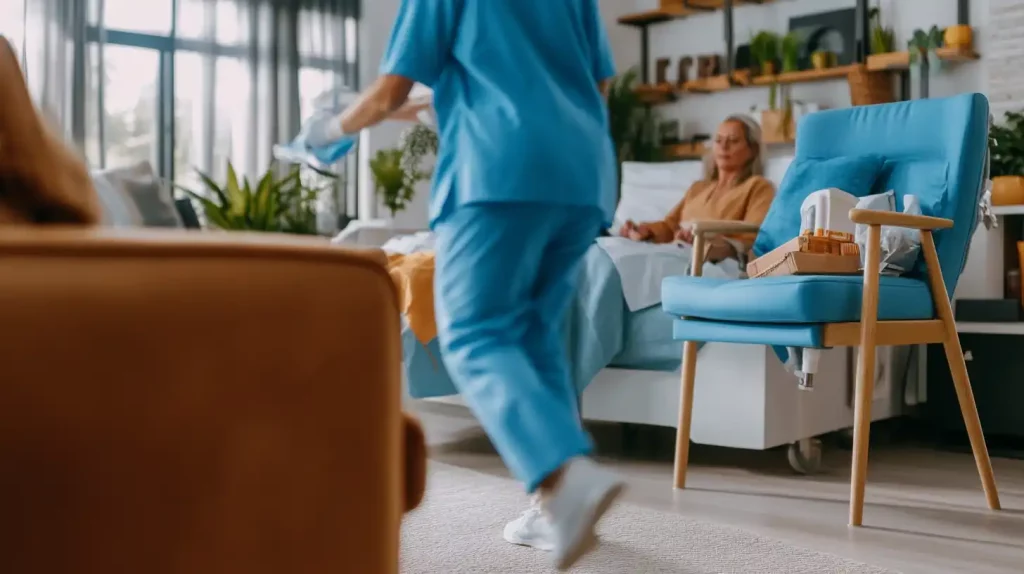

Meaningful Connection Without Taking Over

Good companionship begins by seeing the person, not only their support needs. Every client has stories, interests and habits that deserve respect.

The companion can share an activity, offer encouragement or simply be present. Some clients enjoy active conversation. Others prefer music, reading or quiet company.

This flexible approach helps the client remain involved in daily choices. It can also give families greater peace of mind when they cannot visit as often as they would like.

Who May Benefit From Companion Care?

  • Lives alone or spends long parts of the day without company
  • Has stopped taking part in hobbies, meals or familiar activities
  • Wants company for walks, appointments or approved community outings
  • Has family members who live far away or cannot visit every day
Healthcare professional assisting an elderly patient in a modern care room with comfortable seating

Companion Care and Personal Care Are Different

Companion care focuses on conversation, shared activities, social connection and light routine support. It does not include private, hands-on help with bathing, dressing, grooming or toileting.

Personal Care supports those private daily tasks. Personal Assistant Services may be a better match when errands, household jobs, planning or technology are the main need.

Some clients benefit from more than one service. We will explain the available choices. Every task must match the care plan and the care team member’s role.

How We Build a Companion Care Plan

Tell Us About the Current Routine

We begin with a conversation about daily life. Tell us when the client is usually alone, what they enjoy and what has changed. You do not need every answer.

We Learn What Connection Means to the Client

We ask about favorite topics, meals, music, hobbies and community activities. We also learn how the client communicates and when they prefer a quieter visit.

We Create a Clear Service Plan

The plan lists approved activities, light tasks, visit times and goals. It may include conversation, shared meals, walks or outings. It also explains how we will share updates.

We Look for a Comfortable Match

Skills and reliability matter, but personality matters too. We consider interests, communication style, routine and schedule when choosing a companion caregiver.

We Review the Plan as Life Changes

Interests, routines and support needs may change. We can review the plan and adjust approved activities or visit times when needed. If hands-on help becomes necessary, we can also discuss Personal Care or a CNA-supported plan.

Companion Care Built Around Real Interests

Companionship should feel personal. We do not give every client the same list of activities. We learn whether the person enjoys gardening, sports, cooking shows, music, faith activities, family stories or quiet time.

A visit might include a photo album, a favorite snack or a short walk. On another day, the client may only want conversation. The companion follows the plan while respecting the client’s comfort.

This creates space for real connection. The client can make choices, keep familiar interests and enjoy support that fits their way of life.

Bright modern care room with an elderly person resting in bed and a caregiver providing assistance

What Families Can Expect From Ease in the Home

Care That Feels Personal

Each companion care plan follows the client’s routine, interests and social needs. We do not use the same activities or schedule for every person.

A Thoughtful Care Team

We choose a caregiver or Certified Nursing Assistant based on the full care plan. Our leaders include Certified Dementia Practitioners who value patience, familiar routines and clear communication.

Licensed Care

Our Illinois and California operations hold state licenses for the non-medical care they provide. Ask your local office for current license details.

Local Help

Families have direct access to Ease in the Home owners. Local care leaders are available to answer questions and discuss concerns.

Help Each Day Feel More Connected

Regular companionship can add warmth, structure and something to look forward to. A familiar caregiver can share conversation and encourage favorite activities. Support may begin with company at mealtime, someone to walk with or a regular visit during a quiet part of the week. We build the plan around those needs.

As interests or routines change, the plan can be reviewed. The client remains involved, and the family has a local team to contact with questions.

Close-up image of two people holding hands showing care, support, and connection

Frequently Asked Questions

Companion care is a non-medical service offering friendly company, shared activities and light routine support. It helps seniors and adults stay connected while making their own choices.

A companion caregiver may talk, read, play games, share meals or join an approved walk or outing. Light household help and reminders may also appear in the plan.

No. Companion care for seniors is common, but other adults may benefit. It can help someone who lives alone, has limited social contact or wants steady company at home.

No. Companionship care is non-medical and does not include diagnosis, treatment or private hands-on tasks. Personal Care or a CNA-supported plan may fit when help with bathing, dressing, grooming or movement is needed.

We consider the client’s interests, personality, communication style, routine and schedule. We also review every approved task. These details guide the match and help the relationship feel comfortable and respectful.

Ease in the Home provides licensed, non-medical care through its Illinois and California operations. Contact the team for the care address to ask which services and schedules may be available.

You may be worried that someone you care about is spending too much time alone. You may also be looking for friendly support that respects their independence. Both are good reasons to start a conversation.

Tell us about the client’s routine, interests and preferred kind of company. We will listen, explain the options and create an in-home companion care plan built around connection, comfort and choice.

Bring More Company and Comfort Home