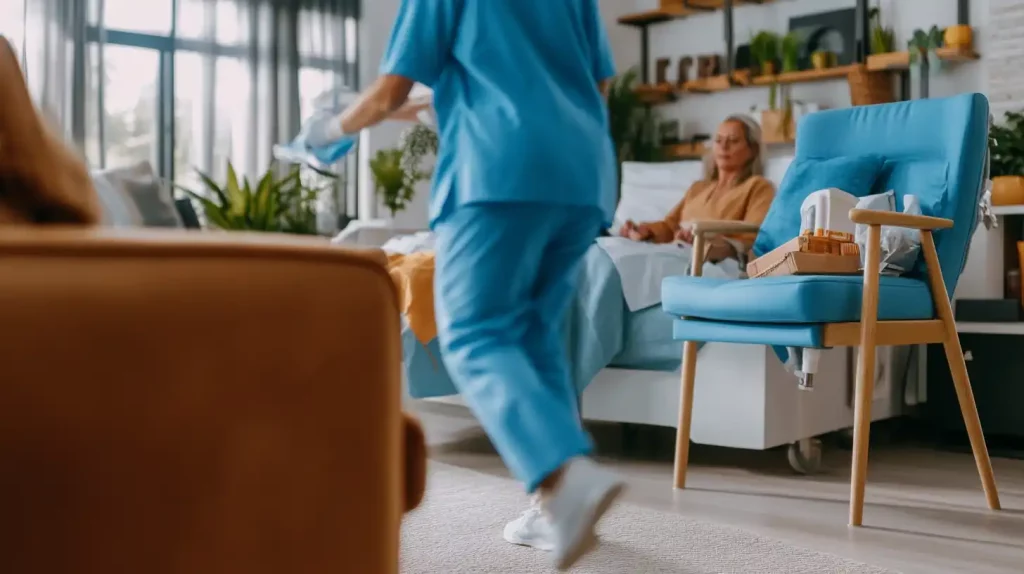
Medication Reminders and Meal Help for Easier Days at Home

Keep daily routines simple with medication reminders and meal help. Ease in the Home supports seniors and adults who want to remain comfortable at home.

Illinois Licensed • #3001621

Caregivers & Certified Nursing Assistants

Chris Breneman, CDP #252621

Diane Robertson, CDP

Direct Access to Local Owners

Quick Answer: What Do Medication Reminders and Meal Preparation Include?

This non-medical service helps clients remember when it is time to take their own medication. It can also include planning and preparing simple meals, serving food, encouraging fluids and cleaning the kitchen afterward. Caregivers follow the approved care plan. They do not prescribe medication, choose doses, give medical advice or create a medical diet.

Support That Keeps the Client Involved

Support should fit the person’s habits. Some clients enjoy setting the table. Others want the caregiver to prepare the meal while they rest.

The same idea applies to medication reminders for seniors. Some people need one spoken reminder. Others may need help bringing the approved container and water to a safe place.

We learn what the client wants to keep doing and where help is welcome. Support can be reviewed when the client’s needs change.

Who May Benefit From This Service?

  • Sometimes forgets a planned medication time
  • Skips meals or depends on snacks because cooking feels difficult
  • Has trouble shopping, opening packages or cleaning after meals
  • Needs a steady routine when family cannot be there every day

Medication Reminders Are Not Medication Management

Medication reminder services provide a prompt at the time listed in the care plan. The client takes their own medication and decides whether to accept the reminder.

Medication management is different. It may include choosing medication, changing a dose, filling an organizer, giving an injection or watching for medical effects. These tasks require an authorized medical professional or another approved person.

Under this service, caregivers do not decide what a client should take. They do not change labels, refill prescriptions, recommend medicines or answer medical questions. Concerns are reported to the person named in the care plan. Call 911 when there is an emergency.

How We Create the Daily Support Plan

Meals Built Around Familiar Choices

Favorite meals can bring comfort and make the day feel familiar. We ask what the client likes and can safely eat. Simple meal preparation may include eggs and toast, soup, sandwiches, fruit, cooked vegetables or another familiar dish. Available options depend on the ingredients, time and approved tasks.

The client or family should share written instructions from a doctor or dietitian. Caregivers can follow approved directions, but they do not create therapeutic diets. Allergies, swallowing problems and major appetite changes should be reported.

What Families Can Expect From Ease in the Home

Meal and Reminder Support Can Work Together

Meals and medication times often follow the same daily schedule. One visit may include preparing breakfast, offering a medication reminder, washing dishes and setting out an approved drink.

This support can also be combined with Companion Care, Personal Assistant Services, Personal Care or Hourly Care. Combining tasks may create a more complete routine.

The local team will explain what can be completed safely within the scheduled time. Each task must appear in the care plan and match the care team member’s role.

Frequently Asked Questions

A caregiver may give a spoken reminder, bring the approved container and water, and record the client’s response as directed. The client takes their own medication.

Not as part of this reminder service. An authorized person should prepare the organizer. Caregivers do not choose pills, change doses or correct medication instructions.

The caregiver does not force the client to take medication. They follow the care plan, record the response when required and contact the approved family member or care leader.

A caregiver can prepare simple meals and snacks using available ingredients and approved instructions. The choices depend on the client’s preferences, abilities, schedule and care plan.

We can discuss written food instructions from the client’s doctor or dietitian. Caregivers may follow approved directions, but they do not create medical diets or provide nutrition advice.

Food and household purchases are normally paid for by the client or family. The plan should explain the payment method, spending limit, receipts and any shopping-related charges.

The client may need a reminder at breakfast, help preparing dinner or support with both routines. You do not need to decide every detail before contacting us.

Tell us what is being missed and when help may be useful. We will listen, explain the available options and build a clear plan around the client’s food choices, medication schedule, comfort and control at home.

Make Daily Routines Feel More Manageable